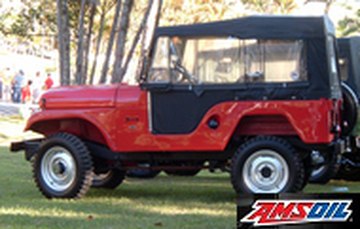
Engine Oil Maintenance for the 1983 Jeep CJ-5 2.5L
Maintaining the lubrication system is a fundamental aspect of vehicle upkeep. For owners of a 1983 Jeep CJ-5 equipped with the 2.5L engine, regular attention to oil quality and filtration ensures that internal components remain properly lubricated during operation.
What oil filter does my 1983 Jeep CJ-5 2.5L need?
For this specific vehicle, the following oil filters are listed: the AMSOIL Ea Oil Filter (part number EA15K29-EA) and the WIX Oil Filter (part number 51040-EA).
Understanding Engine Oil Functions
Engine oil serves several critical roles within the 2.5L engine. Primarily, it provides a thin film of lubrication between moving metal parts, such as pistons, crankshaft bearings, and camshafts, to reduce friction and prevent premature wear. Beyond lubrication, the oil helps to carry heat away from high-temperature areas within the engine block and cylinder head, assisting the cooling system in maintaining stable operating temperatures.
Additionally, engine oil acts as a cleaning agent. As it circulates through the engine, it picks up microscopic debris, soot, and combustion byproducts. These contaminants are then carried to the oil filter, where they are trapped to prevent them from recirculating through sensitive engine components.
The Role of the Oil Filter
The oil filter is a vital component of the lubrication circuit. Its primary purpose is to remove contaminants from the circulating oil before it reaches the engine's internal moving parts. Over time, filters can become saturated with trapped particles. When a filter reaches its capacity or becomes restricted, it may trigger a bypass mechanism designed to allow unfiltered oil to circulate rather than starving the engine of lubrication entirely. However, relying on this bypass is not a substitute for regular filter replacement.
When performing an oil change, replacing the filter is a standard part of the process. Using filters listed for your specific application, such as the AMSOIL EA15K29-EA or the WIX 51040-EA, helps ensure that the component matches the requirements of the engine's oiling system.
Monitoring Oil Levels and Condition
Regularly checking the engine oil level is a simple but essential maintenance task. This should be done using the engine's dipstick, ideally when the vehicle is parked on level ground and the engine has been allowed to cool or sit for a short period to let the oil settle in the pan.
When inspecting the oil, look for two main indicators: level and color. A low oil level can lead to increased friction and overheating. Regarding color, while new oil is typically translucent, used oil will darken as it collects contaminants. If you notice extreme discoloration, a milky appearance, or a strong smell of fuel in the oil, these can be signs that the oil has reached the end of its effective service life or that other mechanical issues require investigation.
Maintaining Lubrication Integrity
The integrity of your engine's lubrication depends on both the quality of the oil and the frequency of changes. To maintain optimal engine health, you should follow the manufacturer maintenance schedule provided in your owner's manual. Following these specific intervals ensures that the oil does not break down due to thermal stress or excessive contamination.
Environmental factors and driving habits can influence how quickly oil degrades. While the manufacturer provides a baseline for service, staying observant of how the engine sounds and performs can provide additional clues regarding the state of your lubrication system. Any unusual knocking, tapping, or increased engine noise should be addressed promptly by a professional.
General Engine Care Tips
Beyond oil and filters, general engine maintenance involves keeping the engine bay clean and inspecting for leaks. Oil leaks can lead to low oil levels and may cause damage to other rubber components or electrical connections if oil comes into contact with them. Regularly inspecting gaskets, seals, and the oil filter mounting area can help identify potential issues before they become significant problems.
Ensuring that the oil filler cap is secure and that the oil dipstick is fully seated also prevents contaminants like dust or moisture from entering the crankcase, which helps maintain the purity of the engine oil throughout its service interval.
BUYING ENGINE OIL
When you are ready to purchase supplies, ensure you are selecting products that meet the requirements for your specific vehicle. When BUYING ENGINE OIL, check the container labels to confirm they are appropriate for your engine type. Always refer to your owner's manual for the most accurate guidance regarding oil specifications and service intervals to ensure the long-term health of your 1983 Jeep CJ-5.